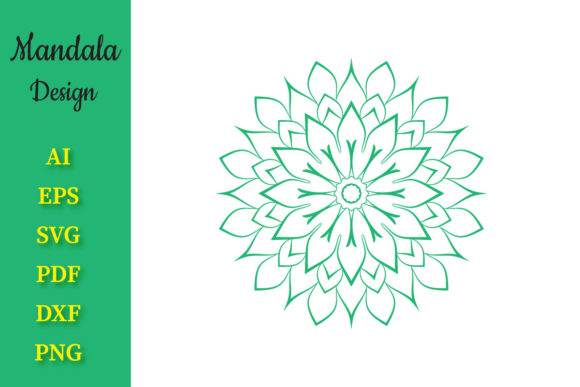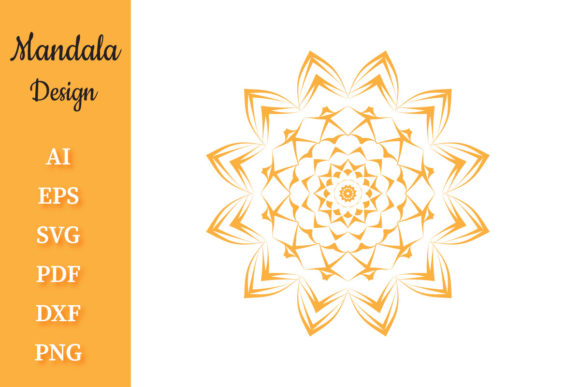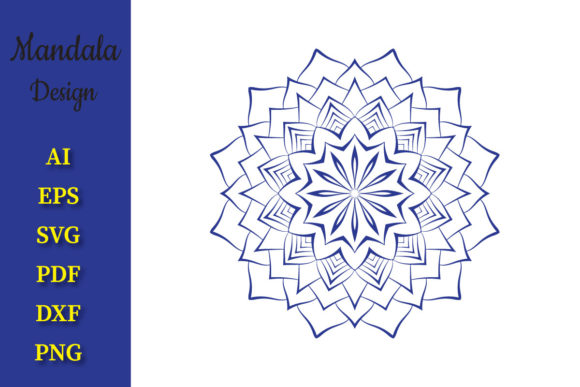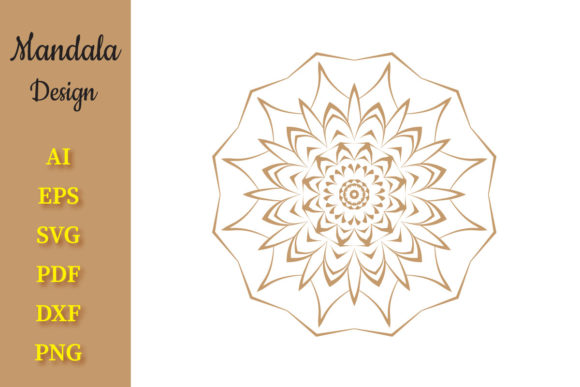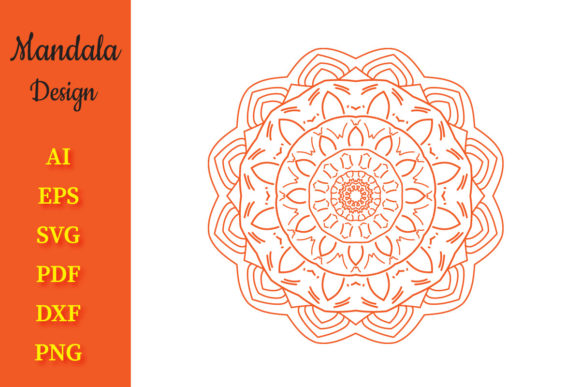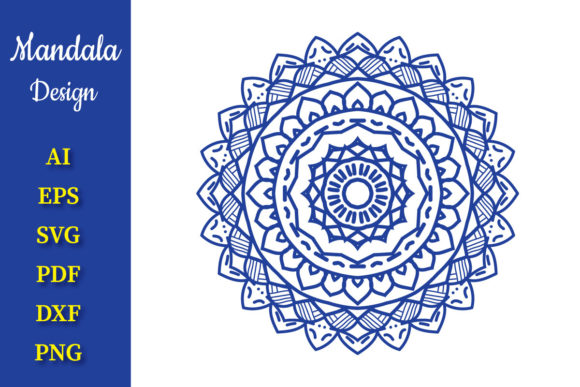
Mandala Design for Patterns
For centuries, mandala designs have carried deep spiritual and artistic meaning. Today, they have become a central element in modern creative work — from surface pattern design and branding to home décor, textiles, and digital media. What was once a meditative practice rooted in Eastern traditions has evolved into a versatile visual language that resonates across cultures, industries, and creative disciplines. Understanding how to work with Mandala Design for Patterns opens a gateway to creating balanced, repeatable, and visually compelling artwork that suits a wide range of practical projects.
Whether you are a graphic designer building a portfolio, a small business owner designing packaging, a hobbyist exploring surface pattern design, or an educator preparing classroom materials, mandala patterns offer a unique blend of structure and fluidity. Their radial symmetry, layered details, and geometric precision make them particularly well-suited for today's digital workflows — where scalability, adaptability, and consistent output matter more than ever.
The Growing Relevance of Mandala-Based Patterns
In recent years, the demand for ready-to-use pattern assets has increased significantly. Freelancers, content creators, and marketers are looking for high-quality resources that can be customized without starting from scratch. Mandala Design for Patterns meets this need by offering designs that are not only visually rich but also technically compatible with modern design software. The rise of print-on-demand services, home-based businesses, and digital product marketplaces has further fueled interest in designs that can be applied across multiple surfaces — fabric, paper, ceramics, and digital screens alike.
Current trends in branding and visual identity also favor symmetrical, repetitive motifs. Mandala patterns convey a sense of harmony, reliability, and attention to detail — qualities that many brands want to communicate. As consumers become more visually literate, the demand for well-crafted, intentional design has grown. Mandala patterns, with their centuries of symbolic weight and aesthetic appeal, offer a shortcut to creating work that feels both timeless and contemporary.
How Mandala Pattern Design Has Evolved
Traditional mandalas were hand-drawn using compasses, rulers, and painstaking precision. Each circle and petal was carefully constructed, often as a form of meditation or spiritual practice. The transition to digital tools has transformed how mandalas are created, but the core principles — radial symmetry, repetition, layered detail — remain unchanged. Modern vector-based design software such as Adobe Illustrator allows creators to build complex mandala patterns in a fraction of the time it once took, while preserving the intricacy that makes these designs so compelling.
Today, Mandala Design for Patterns has moved beyond fine art and spiritual practice into mainstream commercial use. Designers now leverage pre-built vector assets — like the 100 print-ready files included in this collection — to speed up their workflow without sacrificing quality. This shift has made mandala patterns accessible to a much broader audience, including those who may not have advanced illustration skills but still want to create professional-looking work.
The availability of multiple file formats — Ai, EPS, PNG, SVG, DXF, and PDF — reflects the evolving needs of creators who work across different platforms and output types. SVG files enable web and app use. DXF files support laser cutting and CNC engraving. Ai and EPS files allow deep editing in vector software. High-quality PNG files offer immediate use for digital mockups or social media. This variety means a single design can be used for screen printing, embroidery, paper craft, digital design, and more — without needing to rebuild the artwork for each format.
Practical Implications for Creators and Professionals
For graphic designers and illustrators, having a library of print-ready mandala patterns means less time spent on repetitive drafting and more time on composition, color exploration, and client work. Instead of drawing each element by hand, you can open an editable AI or EPS file, adjust scale, rotate elements, change stroke weights, and apply your own color palette. This flexibility supports faster iteration and experimentation, which is especially helpful when working under tight deadlines.
Business owners and entrepreneurs can use these patterns for product packaging, stationery, branded merchandise, and marketing materials. A mandala pattern used as a background on a product label or website banner immediately signals care, detail, and quality. For those selling physical goods — candles, journals, textiles, wall art, home accessories — having a versatile pattern library means you can produce a cohesive product line without hiring a designer for every single item.
Educators and workshop facilitators can incorporate mandala patterns into lesson plans about geometry, symmetry, culture, and design. The included PDF files are easy to print and share, making them suitable for classroom handouts or craft sessions. With ready-made designs available in black-and-white line art, learners can focus on coloring, composition, or pattern adaptation rather than struggling to draw complex structures from scratch.
Content creators and social media managers also benefit from a diverse pattern collection. Mandala designs work well as Instagram carousel backgrounds, YouTube thumbnail textures, website headers, and email newsletter accents. The high-quality PNG files are particularly useful for layering in tools like Canva, Photoshop, or Procreate, where transparency and resolution matter.
What to Expect from a Print-Ready Mandala Pattern Collection
When you choose a resource built around Mandala Design for Patterns, you are looking for reliability and breadth. A collection of 100 print-ready files — such as the one referenced here — gives you enough variety to cover multiple project types without becoming overwhelming. You will typically find designs ranging from simple, minimalist motifs suitable for small-scale applications to highly detailed, intricate patterns that can hold their own as standalone art prints.
The inclusion of Ai Adobe Illustrator CS CC version files means these patterns were built in a widely used vector format that is compatible with both older Creative Suite and newer Creative Cloud versions. This is important for users who may not have the latest software but still need full editability. The EPS Adobe Illustrator CS CC version provides an alternative vector format that works across many design programs, including CorelDRAW and Affinity Designer. Together, these two formats give you maximum editing flexibility.
For quick use, the High-Quality PNG files come with transparent or white backgrounds, ready to drag and drop into any project. The SVG format is ideal for web use, responsive design, or further scaling without quality loss. The DXF format opens up possibilities for laser cutting, engraving, and CNC routing — allowing mandala patterns to make the leap from screen to physical product. The PDF format offers easy printing and sharing, which is especially helpful for educators, crafters, and anyone who needs to produce hard copies quickly.
Recommendations for Working with Mandala Patterns
To get the most out of a mandala pattern collection, consider these practical tips. First, think about scale and repetition. Mandala patterns often work best when they are either very large — used as a focal point — or repeated in a seamless tile that creates texture. Test both approaches in your project to see which fits your intent.
Second, experiment with color reduction. Because mandala patterns are detailed by design, using a limited color palette can help maintain visual clarity and prevent the design from feeling busy. Analogous or monochromatic color schemes tend to work particularly well. For backgrounds or subtle accents, try using lighter tones or opacity adjustments so the pattern supports rather than overwhelms your main content.
Third, explore cross-format applications. A single mandala pattern from your collection can appear on a website (SVG), be printed on a poster (PNG or PDF), be used as a branding element in a vector layout (Ai or EPS), and become a laser-engraved detail on a wooden gift (DXF). Having access to all these formats from one source allows you to maintain consistency across different media.
Finally, consider combining multiple mandala motifs to create larger compositions. Because these patterns are built on radial symmetry, they layer well together. A larger outer ring paired with a smaller inner motif can yield a complex custom design that feels original, even when assembled from pre-made elements.
Why Mandala Patterns Fit Modern Creative Workflows
In a world where creators are expected to produce high-quality work quickly, having reliable, versatile assets is essential. Mandala Design for Patterns aligns with the needs of modern workflows — where time is limited, tools are diverse, and output must be adaptable. The ability to download a single bundle and immediately use it across digital print, web, and physical production saves hours of preparation and allows you to focus on the creative choices that make your work stand out.
For entrepreneurs, freelancers, and small teams, this efficiency is not just convenient — it can be a competitive advantage. When you can produce consistent, professional designs across a product line or marketing campaign without needing to hire multiple specialists, you retain more control and reduce costs. For hobbyists and students, it lowers the barrier to entry, letting you experiment with professional-grade designs without years of training.
Mandala patterns are not a passing trend. Their roots in art, geometry, and meditation give them lasting appeal, while their adaptability to modern tools ensures they remain relevant as technology evolves. Whether you are designing for print, web, or physical fabrication, having a solid collection of mandala patterns in formats like Ai, EPS, PNG, SVG, DXF, and PDF gives you the freedom to create across media with confidence.