The Art and Versatility of Mandala Design for Patterns: A Complete Guide
Mandala designs have captivated artists, designers, and spiritual seekers for centuries. With their intricate, symmetrical patterns and deep symbolic roots, mandalas offer a unique blend of beauty and meaning. In recent years, mandala-inspired patterns have surged in popularity across creative fields — from textile design and home décor to branding, digital art, and educational projects. Whether you are a seasoned designer or a curious beginner, understanding how to work with mandala designs can open up a world of creative possibilities. This article explores the essence of mandala design for patterns, its practical applications, and how you can easily incorporate ready-to-use resources like Mandala Design for Patterns V.1 into your own work.
What Is a Mandala Design?
A mandala is a geometric configuration of symbols, shapes, and repeating motifs, typically arranged in a circular format. The word "mandala" comes from the ancient Sanskrit language, meaning "circle" or "center." Historically, mandalas have been used in Hindu and Buddhist traditions as tools for meditation, spiritual guidance, and ritual. They represent the universe, wholeness, and the interconnectedness of life.
In contemporary design, the term "mandala" refers to any radial, symmetrical pattern that radiates from a central point. These designs can range from simple floral motifs to highly complex, multi-layered compositions. What makes mandalas so appealing for patterns is their inherent balance and harmony — they naturally draw the eye inward and create a sense of order and calm.
The Purpose and Significance of Mandala Patterns
Mandala patterns serve multiple purposes across different contexts. In art and design, they are valued for their aesthetic appeal and ability to create visual rhythm. In spiritual and wellness practices, they continue to be used as focal points for meditation and mindfulness. For businesses and brands, mandala patterns convey sophistication, cultural richness, and attention to detail.
Beyond their visual beauty, mandalas carry psychological significance. The repetition of shapes and symmetry can induce a meditative state, reduce stress, and improve focus. This is why coloring books featuring mandala patterns have become a global phenomenon — they offer a simple, accessible way to practice mindfulness through creativity.
Why Mandala Designs Are Perfect for Patterns
Patterns are all about repetition, rhythm, and consistency. Mandala designs are naturally suited to pattern creation because of their radial symmetry and modular structure. A single mandala motif can be repeated, rotated, scaled, and combined to create seamless, endlessly reusable patterns. This makes them ideal for use in:
- Textile and fabric design — for clothing, scarves, upholstery, and bedding
- Home décor — on wallpaper, rugs, cushions, and ceramics
- Stationery and paper goods — notebooks, greeting cards, wrapping paper, and planners
- Digital and print media — website backgrounds, social media graphics, and branding assets
- Packaging design — product labels, boxes, and bags
- Art and illustration — posters, prints, and coloring books
- Tattoo design — for clients seeking meaningful, intricate body art
Because mandala patterns are versatile, they can be adapted to any style — from traditional and bohemian to modern minimalist. The key is to start with a well-structured design that is easy to edit, scale, and export across different formats.
Introducing Mandala Design for Patterns V.1
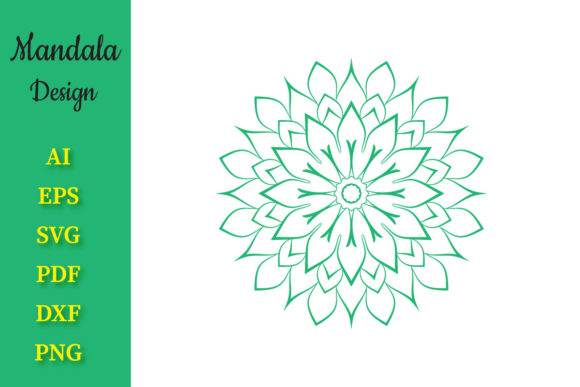
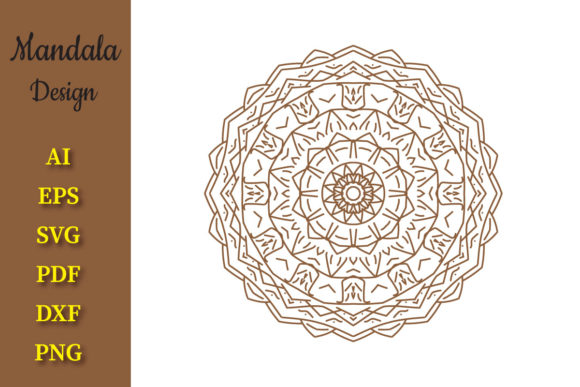
For designers and creatives looking for a reliable, high-quality resource, the Mandala Design for Patterns V.1 collection offers a comprehensive solution. This pack includes a beautifully crafted mandala design that you can easily use for various projects — whether you're working on print materials, digital content, or physical products. The design is professional, scalable, and optimized for both personal and commercial use.
One of the standout features of this collection is that it is 100% print-ready. This means you can take the files directly to a printer or use them in your design software without additional preparation. The package includes multiple file formats to ensure compatibility with almost any workflow:
- Ai (Adobe Illustrator CS CC version) — fully editable vector file for professional graphic design
- EPS (Adobe Illustrator CS CC version) — widely compatible vector format for other vector editors
- High-Quality PNG — transparent background raster image, ideal for quick use and preview
- SVG — scalable vector format for web, UI, and responsive design
- DXF — technical vector format for CAD, laser cutting, and CNC projects
- PDF — portable document format for easy sharing and printing
This range of formats means that no matter what software or hardware you use, you can open, edit, and output the design effortlessly. Whether you are designing a t-shirt, engraving a wooden plaque, printing a poster, or coding a website, you have the right file at your fingertips.
How to Use Mandala Design for Patterns in Your Projects
Getting started with the Mandala Design for Patterns V.1 is straightforward. Here are some practical ways to incorporate it into your work:
- Create seamless repeating patterns — Open the Ai or EPS file in Adobe Illustrator, duplicate the mandala, and use the Pattern Options tool to create a seamless tile. This is perfect for fabric, wallpaper, and digital backgrounds.
- Customize colors and scales — Because the design is vector-based, you can change the color palette to match your brand or project theme. Scale it up for a bold statement or down for a subtle accent.
- Combine with other elements — Layer the mandala with typography, icons, or photographs to create unique compositions for posters, flyers, or social media posts.
- Laser cutting and engraving — Use the DXF file with laser cutter software to engrave the mandala onto wood, acrylic, leather, or metal. This is popular for custom gifts, jewelry, and home décor items.
- Web and UI design — Use the SVG file directly in web development for responsive, lightweight graphics. Mandala patterns can serve as hero section backgrounds, decorative dividers, or hover effects.
- Print-on-demand products — Upload the PNG or PDF to print-on-demand platforms like Printful, Redbubble, or Society6 to create t-shirts, mugs, phone cases, and more.
- Coloring and mindfulness activities — Print the PDF at various sizes for coloring pages, meditation aids, or classroom activities.
Why Print-Ready Files Matter
A common frustration among designers and hobbyists is receiving files that require significant cleanup before they can be printed. Bleed lines, missing color profiles, low resolution, and incompatible formats can waste time and compromise quality. The Mandala Design for Patterns V.1 eliminates these issues by providing 100% print-ready files. This means:
- Proper bleed and trim marks (where applicable)
- CMYK color mode for accurate print reproduction
- High resolution (300 DPI for raster files)
- Scalable vectors that never lose quality
- Compatibility with both Windows and Mac systems
Whether you are printing at home on a standard inkjet or sending to a commercial offset printer, these files are optimized to deliver crisp, vibrant results every time.
Common Misunderstandings About Mandala Designs
Despite their popularity, mandala designs are sometimes misunderstood. Here are a few clarifications:
"Mandalas are only for spiritual or religious contexts." While mandalas have deep spiritual roots, they are now a universal design element used in fashion, branding, and everyday products. You can appreciate them purely for their aesthetic value without any spiritual connotation.
"Mandala patterns are difficult to create or edit." Thanks to modern vector software and ready-made resources, anyone can work with mandala designs. You don't need to be an advanced illustrator — just open the file and customize it to your needs.
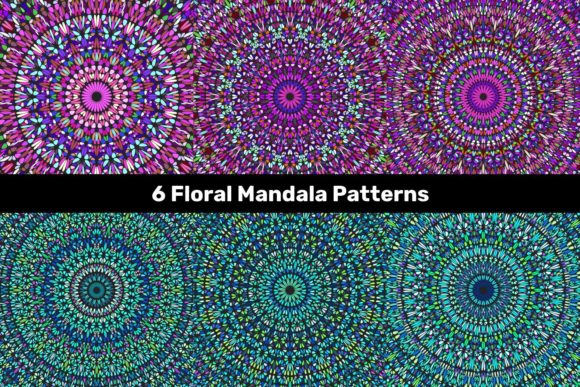
"All mandala designs are the same." In reality, mandalas vary enormously in style, complexity, and cultural influence. From geometric to floral, from minimalist to ornate, there is a mandala design for every taste and purpose.
"You need expensive software to use mandala files." While Adobe Illustrator is ideal for Ai and EPS files, free alternatives like Inkscape and Gravit Designer can also open many vector formats. SVG and PNG are universally compatible and can be used in free tools like Canva or GIMP.
Incorporating Mandala Patterns Into Modern Life and Business
Mandala designs have found a natural home in modern creativity and commerce. For small business owners, they offer a way to differentiate products with intricate, professional-looking patterns without hiring a full-time designer. Etsy sellers, for instance, frequently use mandala motifs on digital downloads, home goods, and apparel. Teachers and educators use mandala coloring pages to promote calm and focus in the classroom. Wellness coaches and therapists use them as mindfulness tools with clients.
In the digital space, mandala patterns are used in website backgrounds, app interfaces, and motion graphics. Their symmetrical nature lends itself well to user interface design, where balance and readability are essential. Even in architecture and interior design, mandala-inspired tiles and wallpapers are used to create focal points and evoke a sense of harmony.
The versatility of mandala patterns means they can be adapted to almost any industry. A bakery might use a subtle mandala pattern on its packaging to suggest artisanal quality. A yoga studio might feature bold mandala graphics on its website and merchandise. A tech company might use a geometric mandala as part of its brand identity to communicate precision and innovation.
Tips for Beginners Working With Mandala Designs
If you are new to using mandala patterns in your projects, here are a few practical tips to get started:
- Start with a high-quality source file. The quality of your output depends on the quality of your input. Use a trusted resource like Mandala Design for Patterns V.1 to ensure clean lines and proper formatting.
- Experiment with color palettes. Mandalas can look dramatically different depending on the colors you choose. Try monochromatic schemes for elegance, warm tones for energy, or cool hues for calm.
- Learn basic vector editing. Even simple skills like scaling, rotating, and changing colors in Illustrator or Inkscape will give you tremendous control over your design.
- Test your patterns on different backgrounds. A mandala pattern that looks great on white may need adjustment on a dark or textured background. Always preview before finalizing.
- Use layers wisely. When combining mandalas with other elements, use layers to keep your design organized and editable. This is especially important for print and laser cutting projects.
- Respect the symmetry. One of the strengths of mandala designs is their balance. Avoid cropping or distorting them in ways that break the symmetry unless you have a specific artistic reason.
Conclusion
Mandala designs are more than just beautiful patterns — they are versatile, meaningful, and incredibly useful across a wide range of creative and commercial projects. Whether you are designing for print, web, or physical products, having access to a reliable, print-ready collection like Mandala Design for Patterns V.1 can save you time, elevate your work, and inspire new ideas.
With formats covering Ai, EPS, PNG, SVG, DXF, and PDF, you have everything you need to adapt the design to your specific workflow. The 100% print-ready promise means you can focus on creativity rather than technical cleanup. And because the design is scalable and editable, it can grow with your skills and your projects.
If you are looking to add a touch of harmony, sophistication, and endless pattern potential to your work, mandala designs are an excellent choice. Explore the possibilities, and let your creativity flow from the center outward.