Geometric Seamless Patterns: A Design Essential for Modern Creatives
Patterns have long been a cornerstone of visual communication, but the rise of digital creation has elevated one category in particular: geometric seamless patterns. These precise, repeatable designs offer a bridge between mathematical order and artistic expression, making them indispensable for anyone working in visual media. Whether you are a graphic designer building a brand identity, a blogger crafting a cohesive aesthetic, or a business owner looking to elevate your product packaging, these patterns provide a reliable foundation that scales effortlessly across formats and surfaces.
What makes geometric seamless patterns so compelling is their versatility. Because they repeat without visible seams, they can be applied to anything from a phone wallpaper to a sprawling exhibition backdrop. Their geometry brings a sense of structure and rhythm, while the abstract nature of the shapes allows them to work in both minimalist and ornate contexts. In a world where visual clutter is common, a well-crafted geometric pattern brings clarity without sacrificing depth.
For creators and professionals, the practical value is clear. A single pattern delivered in multiple formats—AI, EPS, SVG, JPG, and PNG—removes technical friction. You can edit the vector files in Illustrator or Affinity, scale the SVG for web use, or drop the PNG directly into a mockup. This flexibility means you spend less time on file conversion and more time on creative execution.
The Growing Relevance of Seamless Geometry in Design
Geometric patterns are not new, but their relevance has grown as digital tools have made them more accessible. Previously, creating a seamless pattern required careful manual alignment and an eye for repetition. Today, vector software and pattern generators simplify the process, but the demand for high-quality, ready-to-use patterns has never been higher. Designers and marketers alike seek assets that are polished, scalable, and easy to integrate.
This shift reflects a broader change in how we consume visual content. Audiences are more design-literate than ever. A background texture or wallpaper is no longer just filler—it contributes to the tone and professionalism of a project. A poorly repeated pattern can break immersion, while a seamless geometric design reinforces consistency and intent. For bloggers and content creators, this means the visual backdrop of a website or video can directly influence engagement and brand recall.
Business owners and entrepreneurs have also taken notice. In product design, packaging, and retail environments, geometric seamless patterns offer a way to differentiate without relying on photography or complex illustrations. They evoke a sense of modernity and precision, qualities that resonate with consumers looking for quality and thoughtfulness. Whether printed on a fabric, embossed on a card, or displayed as a digital background, these patterns carry a universal appeal that crosses industries.
Why Geometric Patterns Resonate with Today’s Audiences
Part of the appeal lies in the human response to order. Geometric shapes—triangles, hexagons, chevrons, circles—create a visual rhythm that feels both grounded and dynamic. In an era where attention spans are short, a well-proportioned pattern can hold interest without overwhelming. It provides a structure that the eye can rest on or explore, depending on the complexity of the design.
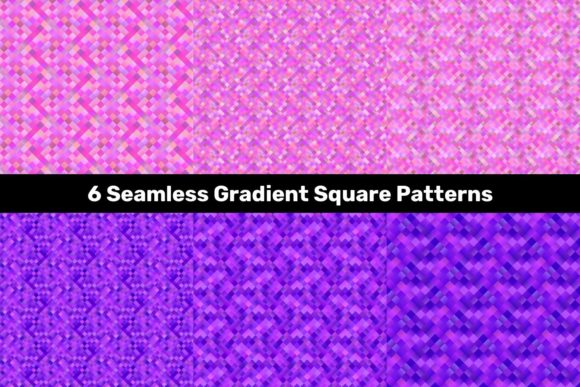
Moreover, the abstract nature of geometric seamless patterns means they can be adapted to almost any mood or palette. A monochrome diamond pattern can feel corporate and sleek, while a pastel tessellation reads as playful and contemporary. This adaptability makes them a favorite among educators and freelancers who may work on diverse projects and need assets that flex to different tones and audiences.
From a technical standpoint, seamless patterns also reduce file size and loading times when used digitally, especially when delivered as SVG files. This is a practical advantage for web designers and developers who prioritize performance without compromising aesthetics. A lightweight SVG pattern can tile across a page background with no visible breaks, creating a polished user experience that loads quickly on any device.
Evolution of the Seamless Pattern: From Wallpaper to Digital Canvas
The concept of repeating patterns has existed for centuries, from Islamic geometric art to William Morris wallpapers. What has changed is the context of use and the ease of distribution. In the past, a pattern was tied to a physical surface. Today, a single geometric seamless pattern can appear on a smartphone lock screen, a social media story, a trade show banner, and an e-commerce product image—all within the same day.
This evolution has shifted expectations. Users now want patterns that are ready to use across both print and screen. A designer might need a vector EPS for a large-format print and a high-resolution PNG for a digital mockup. Supplying these formats in one download saves time and prevents compatibility headaches. It also reflects a changing workflow where creators move quickly between tools and platforms.
Another notable shift is the rise of personalization. With tools like Canva and Figma enabling non-designers to create polished visuals, the demand for versatile assets has grown. Hobbyists and small business owners may not have access to expensive software or the skills to create seamless patterns from scratch. This is where pre-made geometric designs in multiple formats become a valuable resource. They democratize access to professional-grade design elements, allowing anyone to produce work that looks intentional and refined.
Practical Applications Across Creative and Commercial Fields
Understanding how to use geometric seamless patterns effectively can be just as important as having access to them. The same pattern can take on very different roles depending on its scale, color treatment, and application. Here are some practical ways to integrate these patterns into real projects:
- Web and interface backgrounds: A subtle geometric texture can add depth to a site without distracting from content. Using an SVG version ensures sharp rendering on retina screens and fast load times.
- Brand identity and stationery: Business cards, letterheads, and presentation decks benefit from a consistent geometric motif. The vector AI or EPS format allows for precise color matching and scaling.
- Product packaging and labels: A seamless pattern can wrap around a product box or label, creating a cohesive look that stands out on a shelf. The JPG or PNG version works well for quick mockups, while vector files handle production-ready artwork.
- Social media and digital content: Bloggers and influencers often use patterned backgrounds for Instagram posts, YouTube thumbnails, and story templates. A PNG file with a transparent background can be layered over photos or text for an on-brand look.
- Fabric and surface design: For those exploring print-on-demand or textile products, a seamless geometric pattern can be applied to fabric, mugs, notebooks, and more. The repeat is already tile-perfect, saving hours of manual adjustment.
- Educational and presentation materials: Teachers and trainers can use patterns as slide backgrounds, worksheet borders, or visual aids that reinforce a theme without overwhelming the information.
Each of these use cases benefits from having the design in multiple file formats. AI and EPS give you editable control, SVG provides lightweight web scalability, and JPG or PNG offers immediate use in raster-based workflows. This multi-format approach aligns with how modern creators actually work—juggling different tools, media, and output requirements.
Choosing the Right Format for Your Workflow
Part of the value of a pattern set is knowing which format to reach for. For print production, vector formats like AI and EPS are ideal because they hold detail at any size. For digital use, particularly on the web, SVG is unmatched for efficiency and quality. PNG files with high resolution work well for presentations, social media, and quick mockups where editing is not required. JPG files offer a smaller file size for situations where transparency is not needed.
Professionals who work across multiple platforms will find that having all these options in one download streamlines their process. It also future-proofs the asset as software and formats evolve. You may start with a PNG in a rough draft, then switch to the EPS for final printing, without needing to recreate the pattern from scratch.
Trends Shaping Geometric Pattern Use Today
Several contemporary trends are making geometric seamless patterns more relevant than ever. One is the renewed appreciation for retro and mid-century modern aesthetics. Geometric motifs from the 1950s and 1960s are being reimagined with contemporary colors and digital precision, appealing to audiences who value nostalgia with a fresh twist.
Another trend is the emphasis on mindful design. Minimalist geometric patterns support a clean, uncluttered visual environment that aligns with wellness and focus. Brands and creators seeking to convey calm, reliability, or sophistication are turning to simple repeating shapes as a way to communicate these values without words.
Data visualization and abstract representation also play a role. Geometric patterns can be used to imply structure, data flow, or connectivity, making them suitable for tech companies, startups, and educational platforms. They create a visual metaphor for order and system thinking, which resonates in fields like engineering, finance, and information design.
Finally, the maker and DIY culture has expanded the market for seamless patterns. Hobbyists crafting their own merchandise, from stickers to apparel, need accessible, affordable designs that look professional. Pre-made geometric patterns in multiple formats meet this need exactly.
Practical Recommendations for Working with Geometric Seamless Patterns
Whether you are a seasoned designer or someone exploring visual creation for the first time, a few considerations can help you get the most out of these patterns. First, pay attention to scale. A pattern that looks perfect on a screen may feel overwhelming when printed at full size, or too subtle when reduced. Test the pattern at different scales before committing.
Second, consider color. Geometric patterns often rely on contrast and repetition, so a limited palette helps maintain clarity. Using the vector format allows you to quickly adjust colors to match a brand or project theme.
Third, think about layering. A seamless pattern can work as a standalone background, but it can also be combined with other elements. Overlaying a pattern with a semi-transparent gradient or masking it within a shape creates visual interest while keeping the design cohesive.
Fourth, use the patterns consistently across touchpoints. If you are building a brand or online presence, applying the same geometric motif across your website, social media, and packaging reinforces recognition. The availability of multiple file formats makes this consistency achievable without extra work.
Finally, do not be afraid to experiment. Geometric seamless patterns are forgiving. Their repeating nature means that even a bold design can be balanced by its own rhythm. Try using a pattern as a hero element, a subtle texture, or a structural grid for other design components.
The Lasting Value of a Well-Made Pattern
Geometric seamless patterns occupy a unique space in design. They are practical enough for daily use yet expressive enough to define a visual identity. For the modern creator, having these patterns in AI, EPS, SVG, JPG, and PNG formats removes barriers and opens possibilities. Whether you are designing a wallpaper for a client, adding texture to an illustration, or building a brand from the ground up, these patterns offer a reliable, repeatable foundation that saves time and elevates results.
The best designs often come from balancing structure and freedom. Geometric patterns provide the structure; your creativity provides the freedom. With the right assets in hand, the only limit is how you choose to apply them.